
Frying Pan Revival
- Basalt, CO
- These homeowners purchased an old fishing cabin with a detached garage outbuilding right on the Frying Pan River. What began as a lightweight remodel turned into a transformative renovation. Here’s their story.
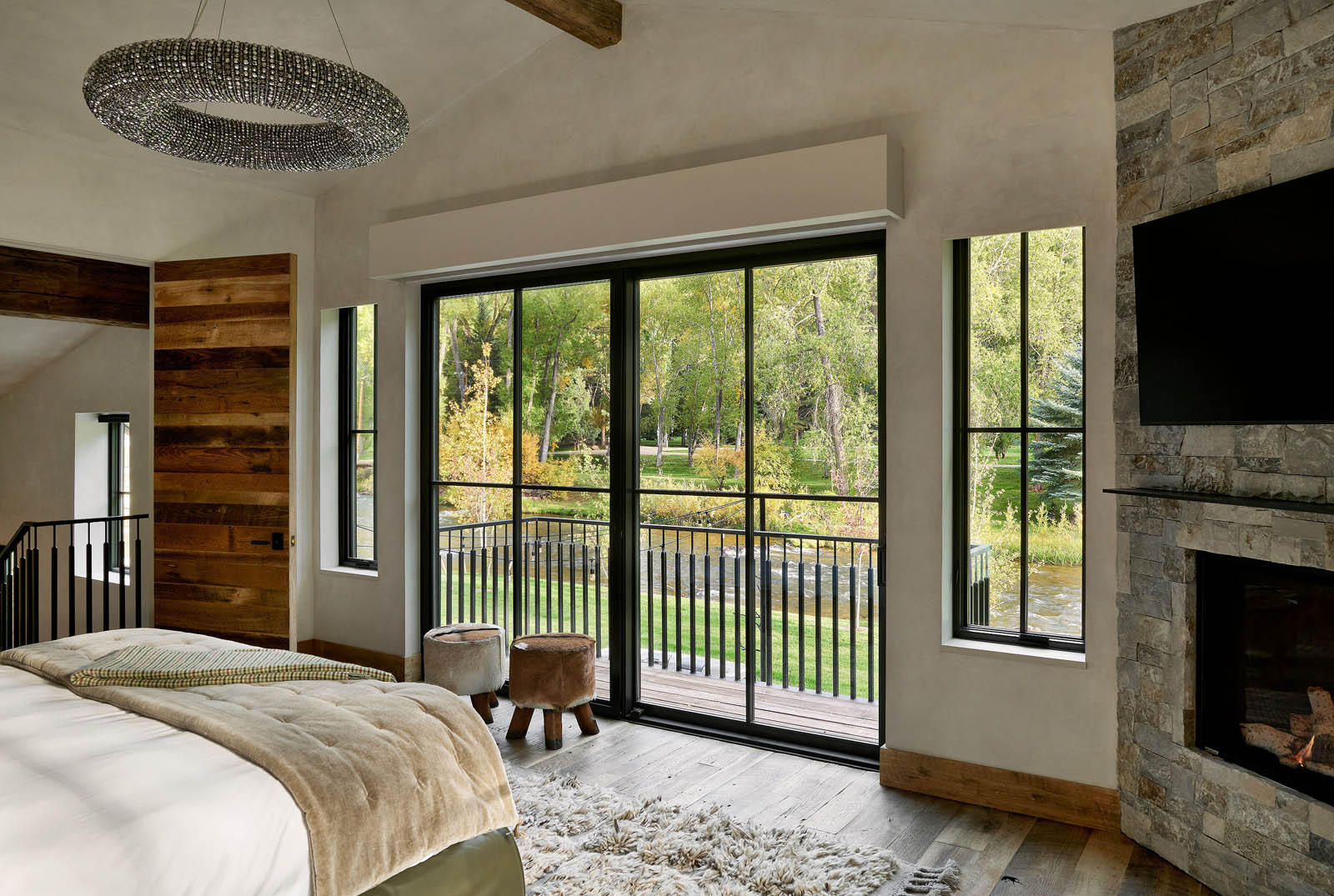
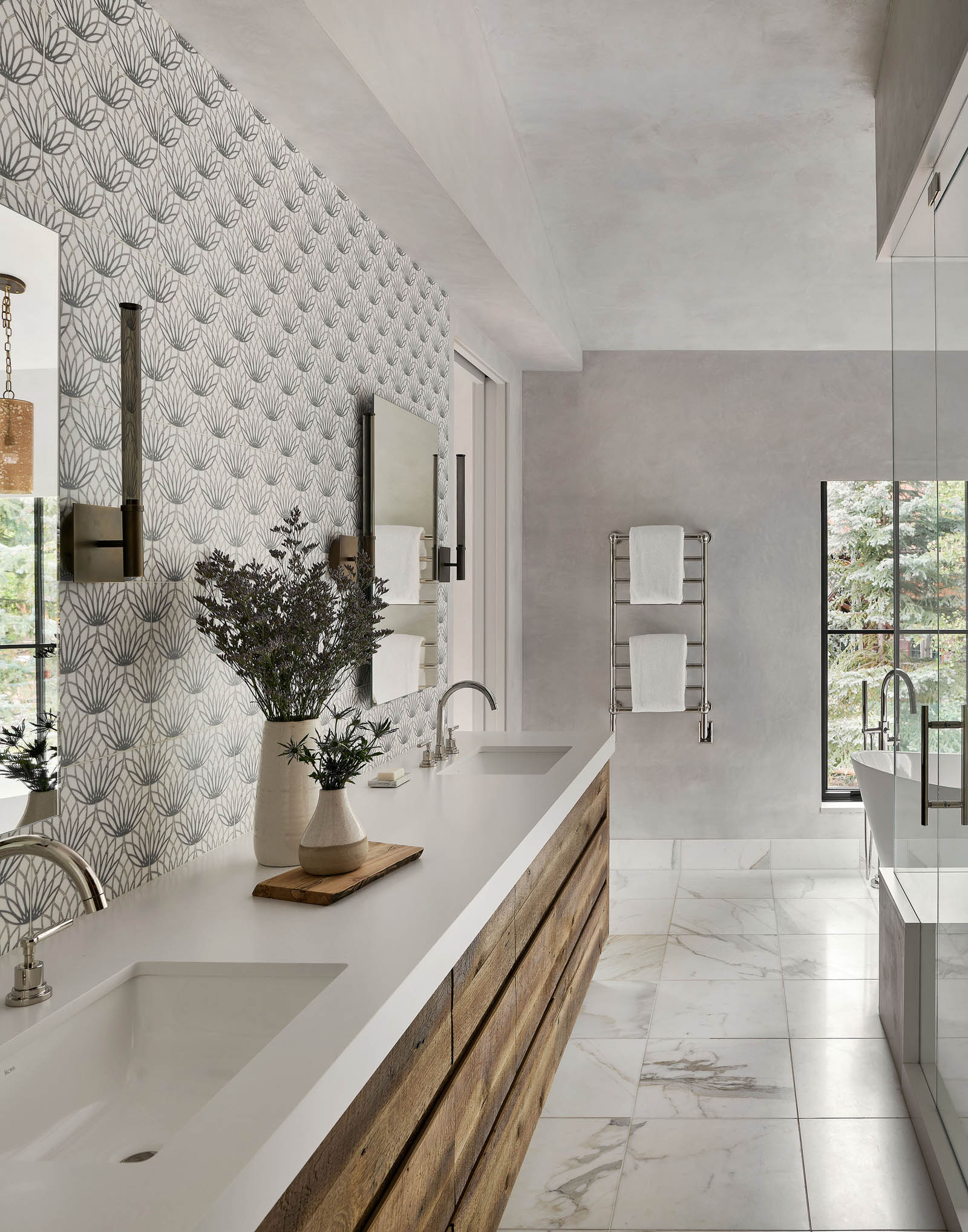
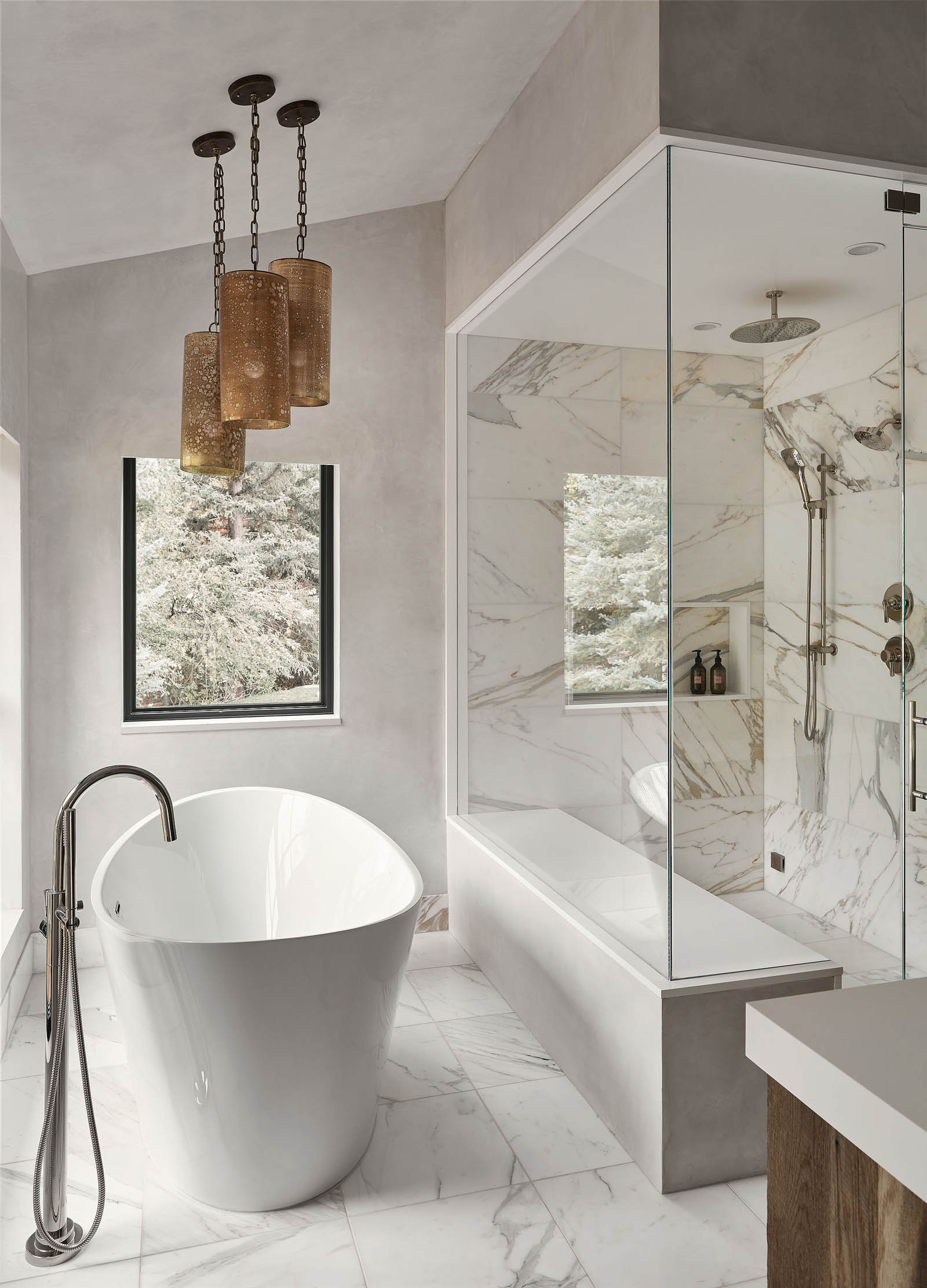
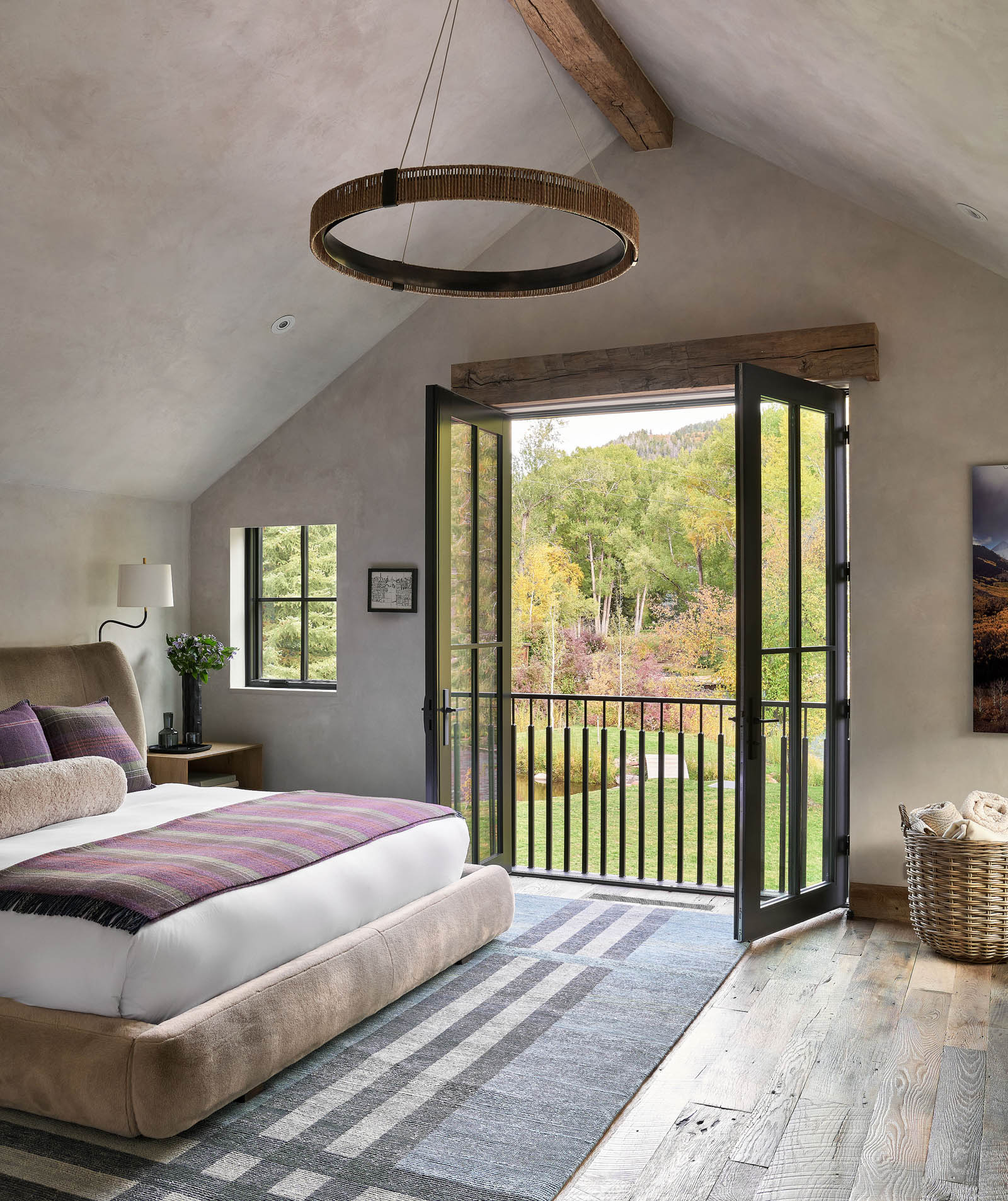
The Vision
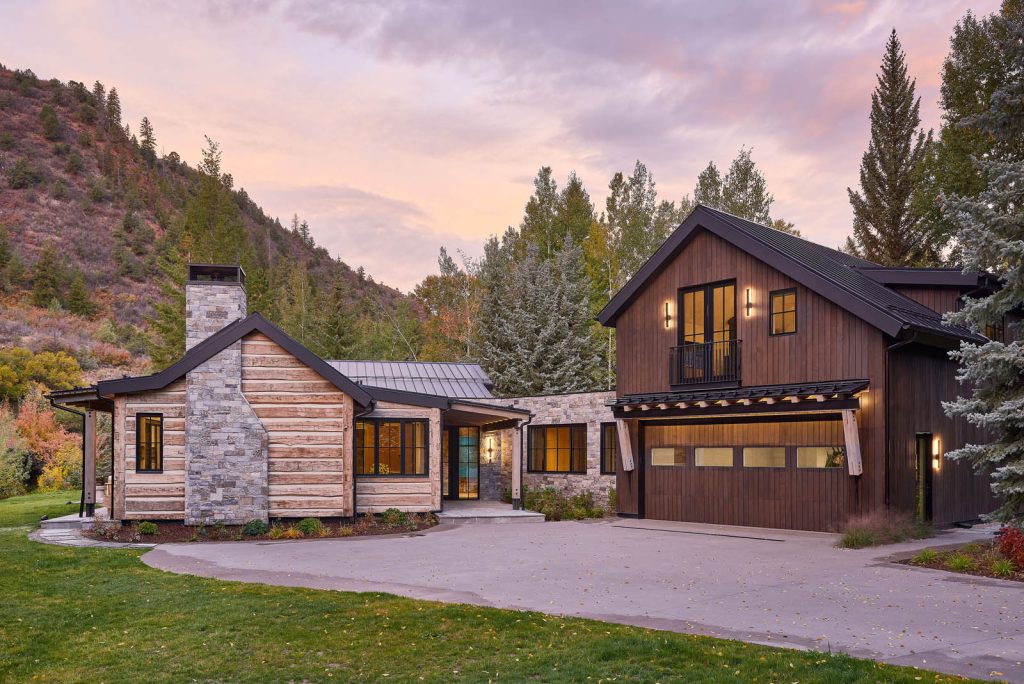
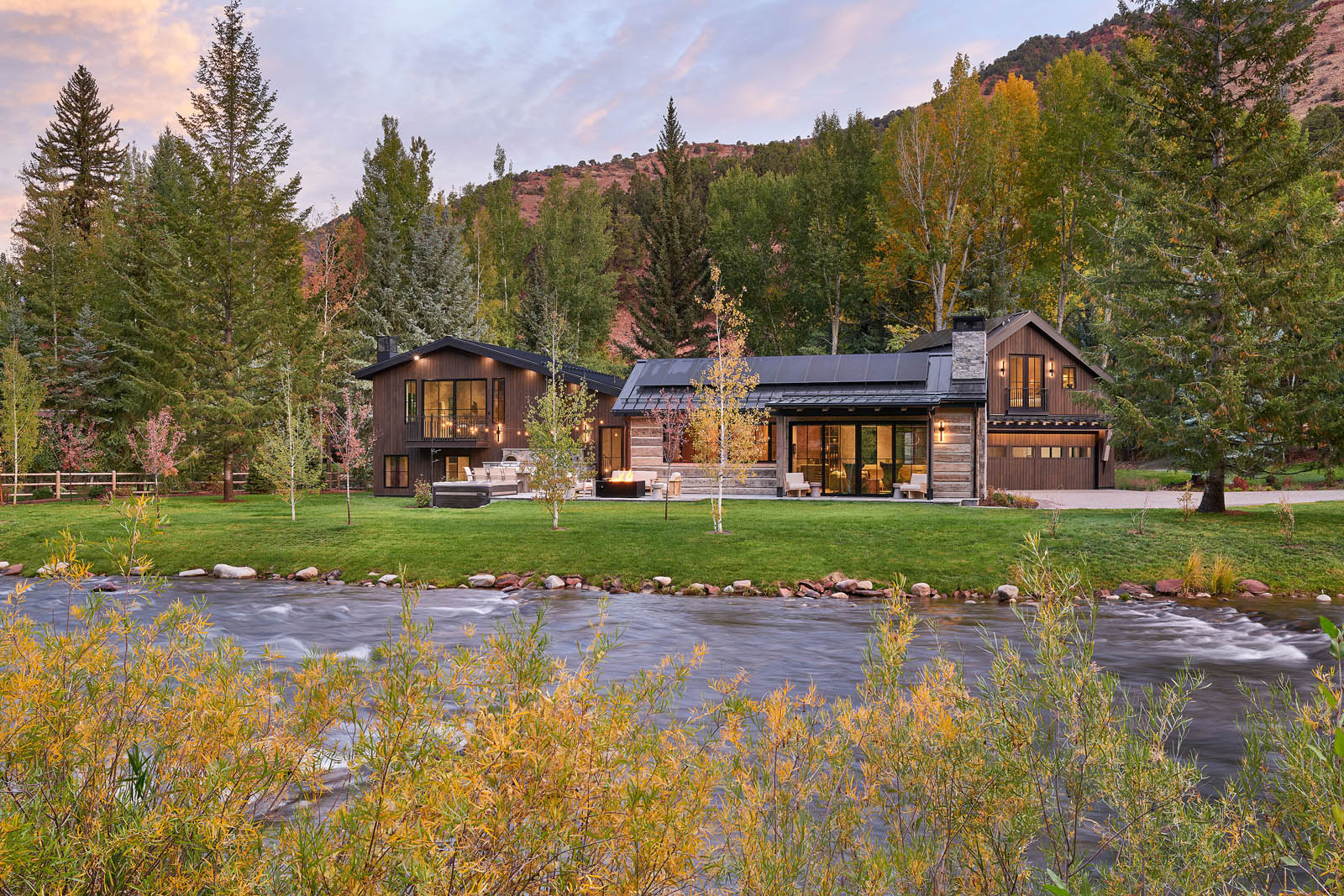
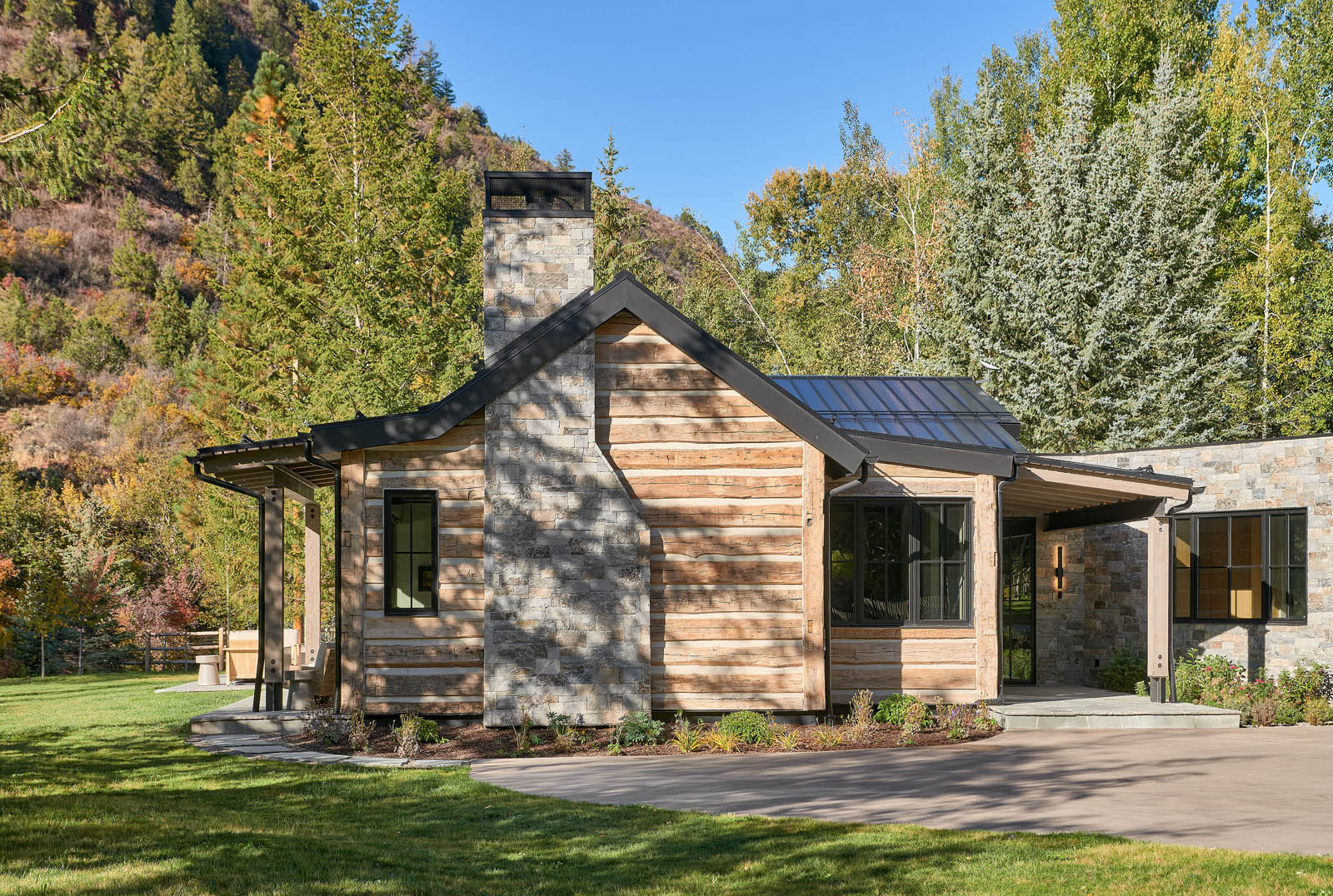
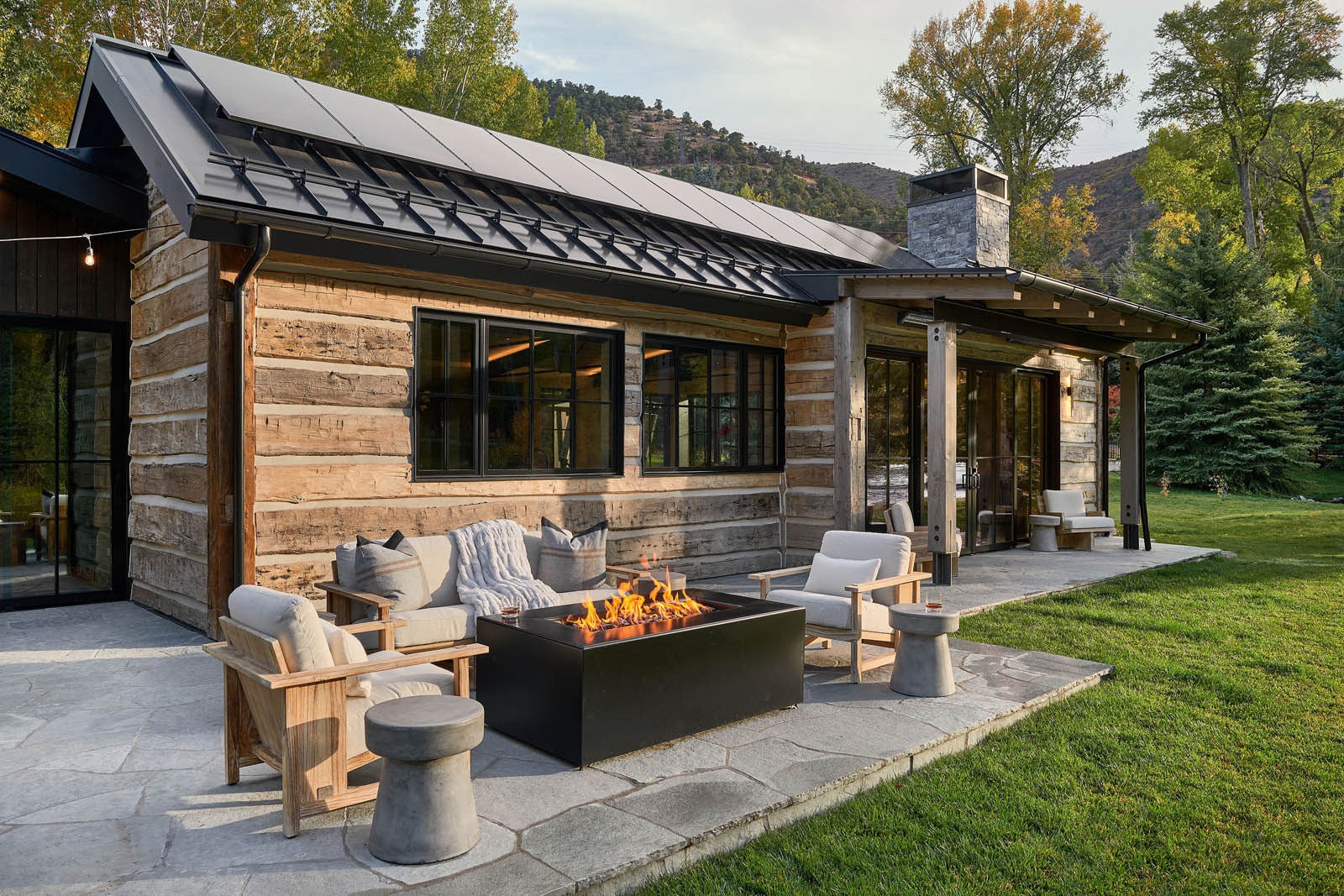
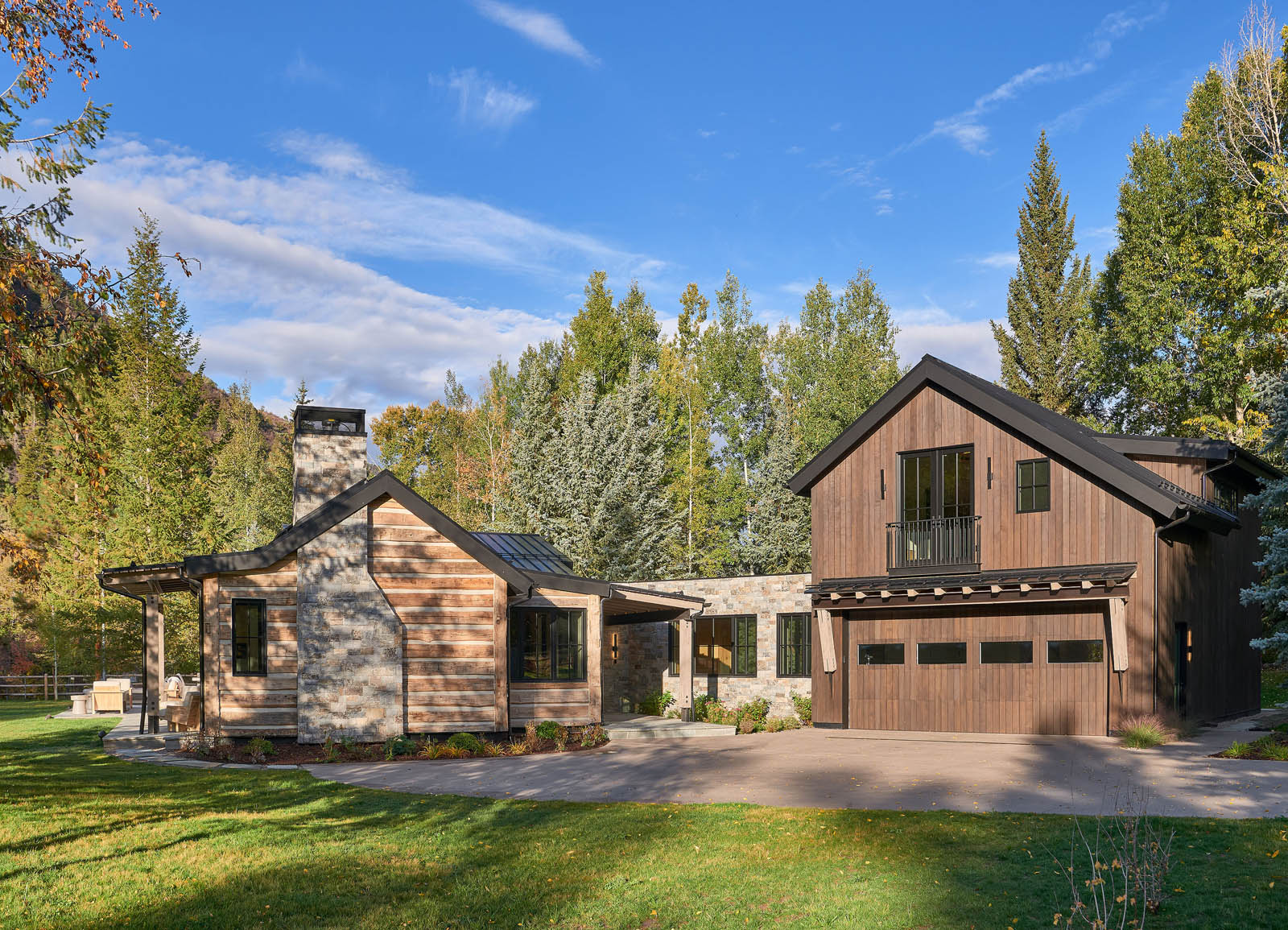
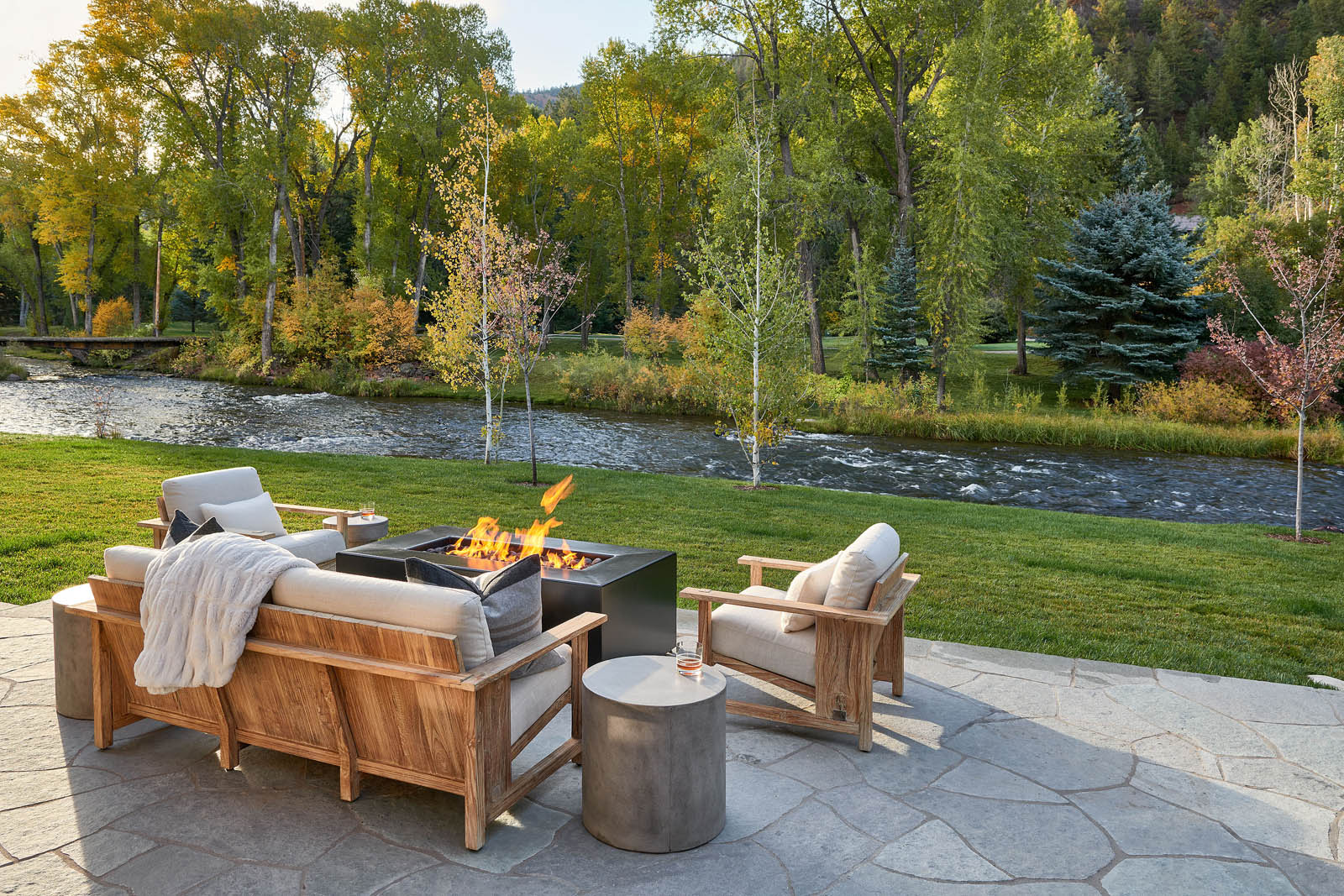
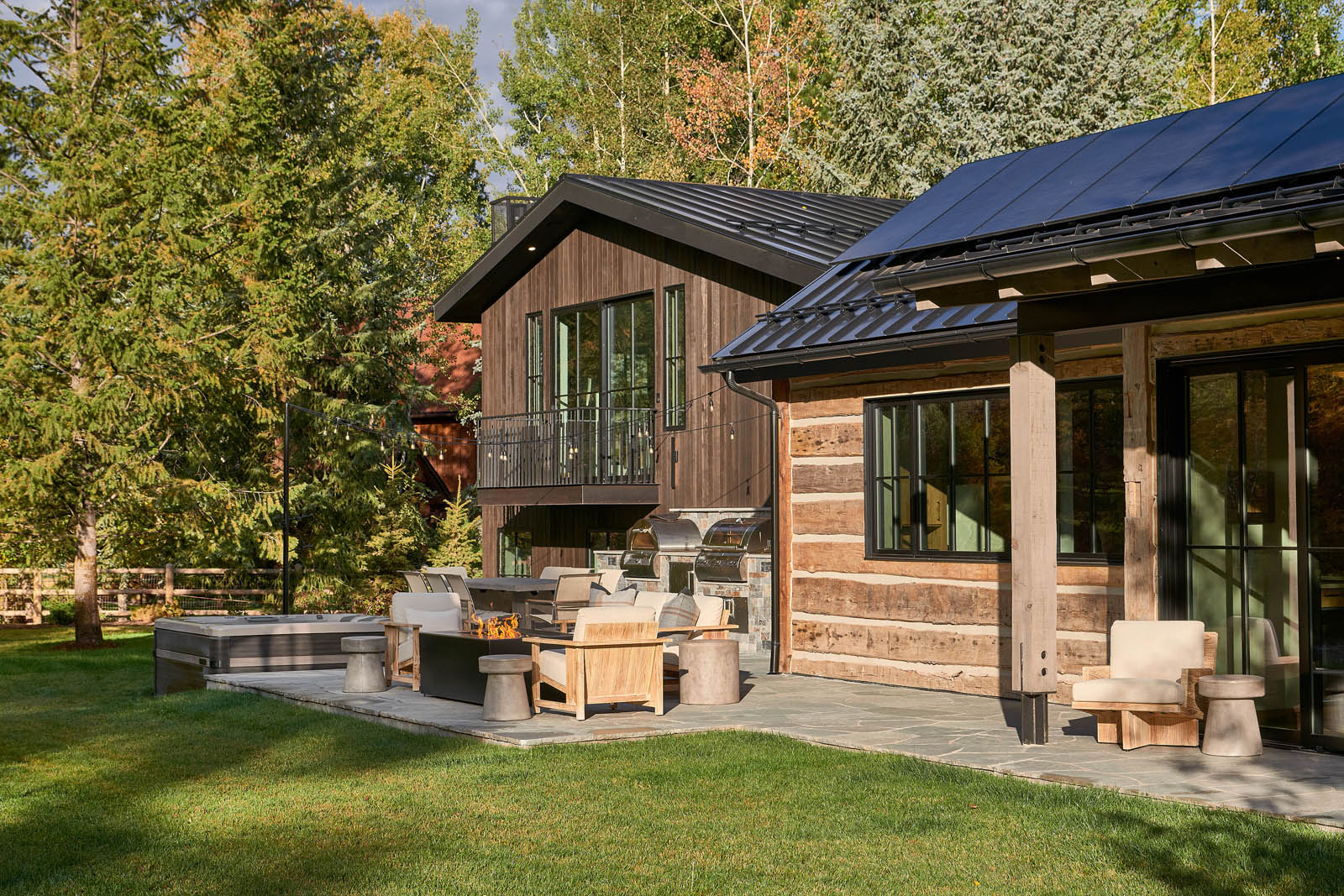
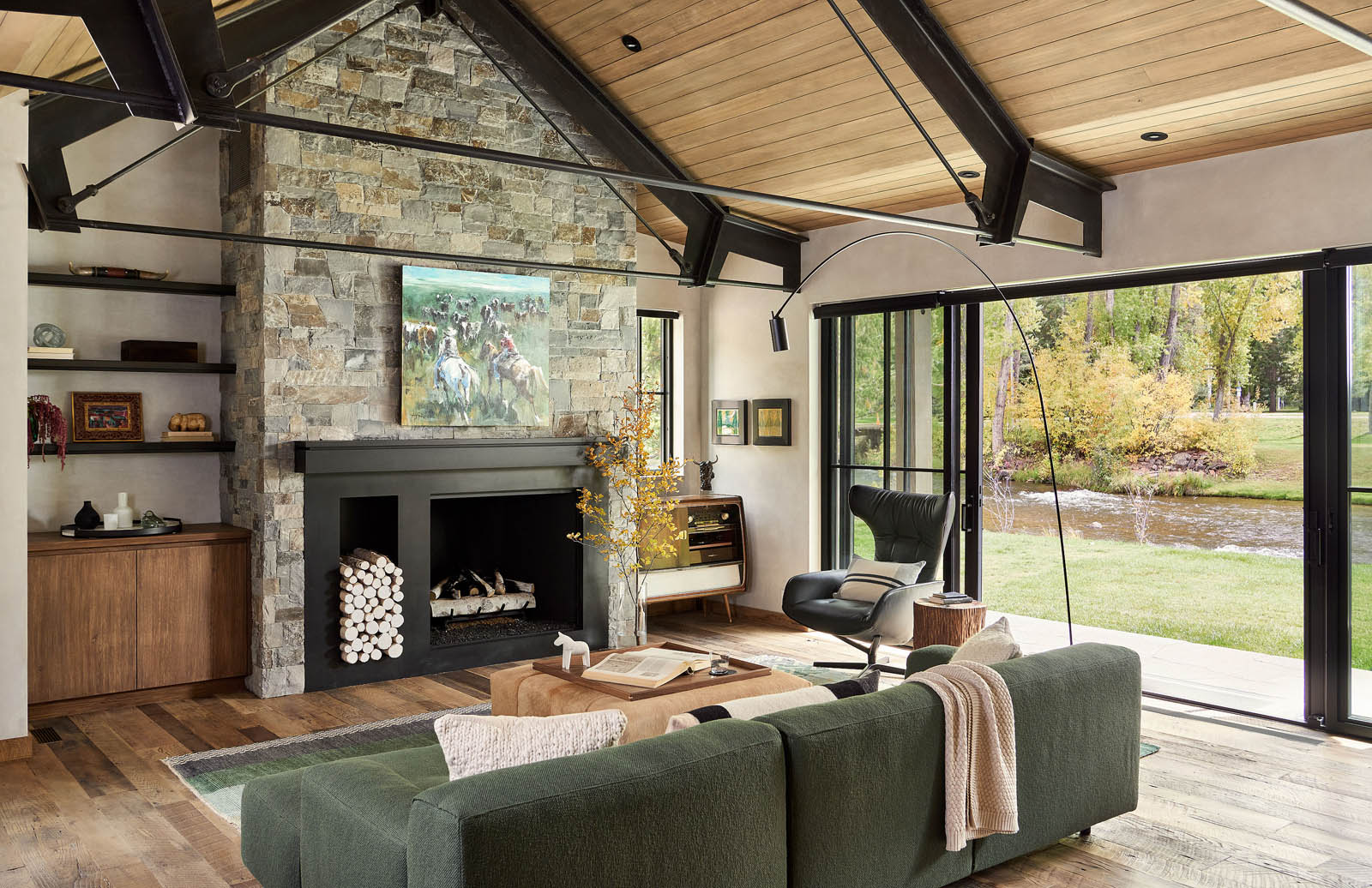
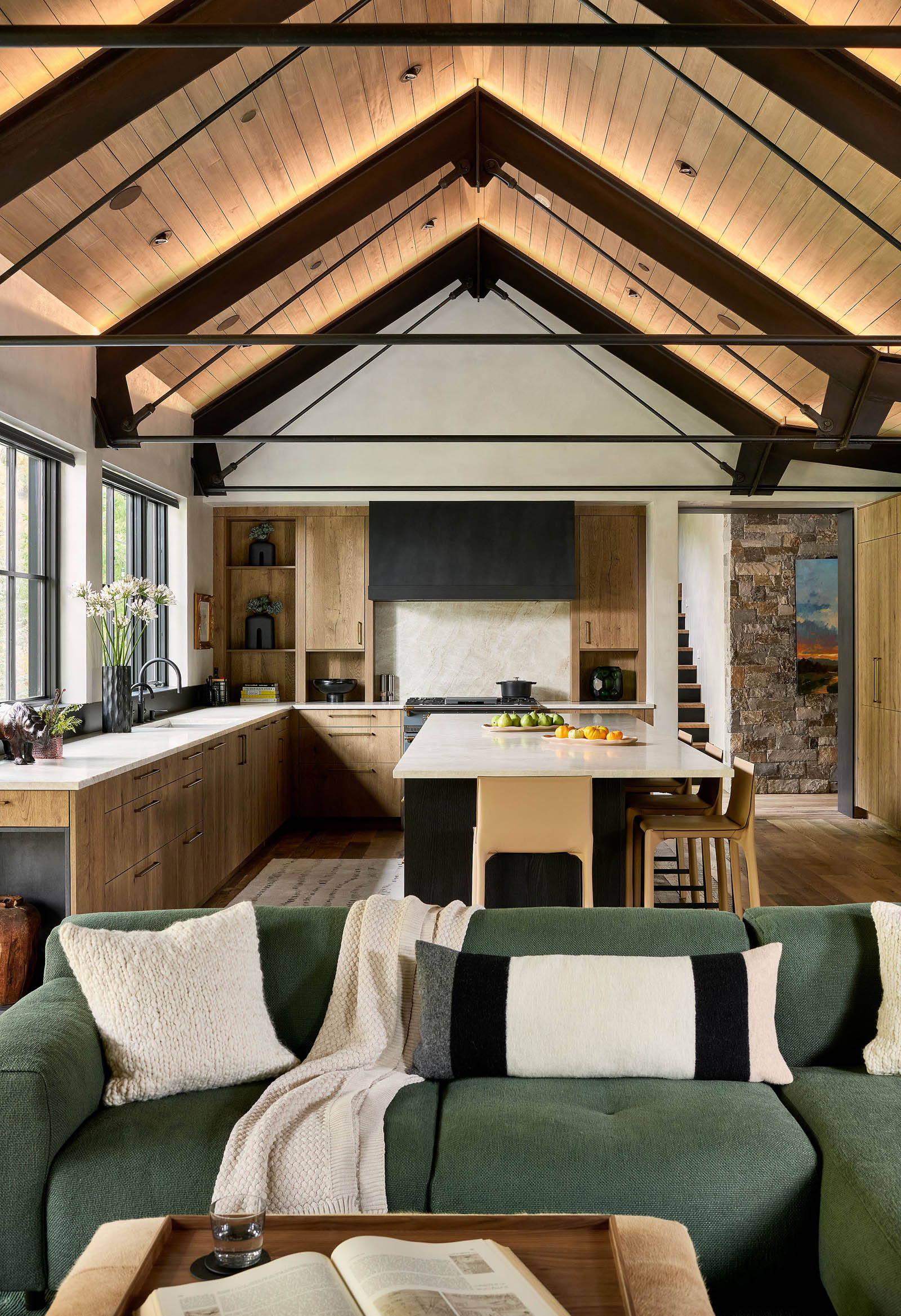
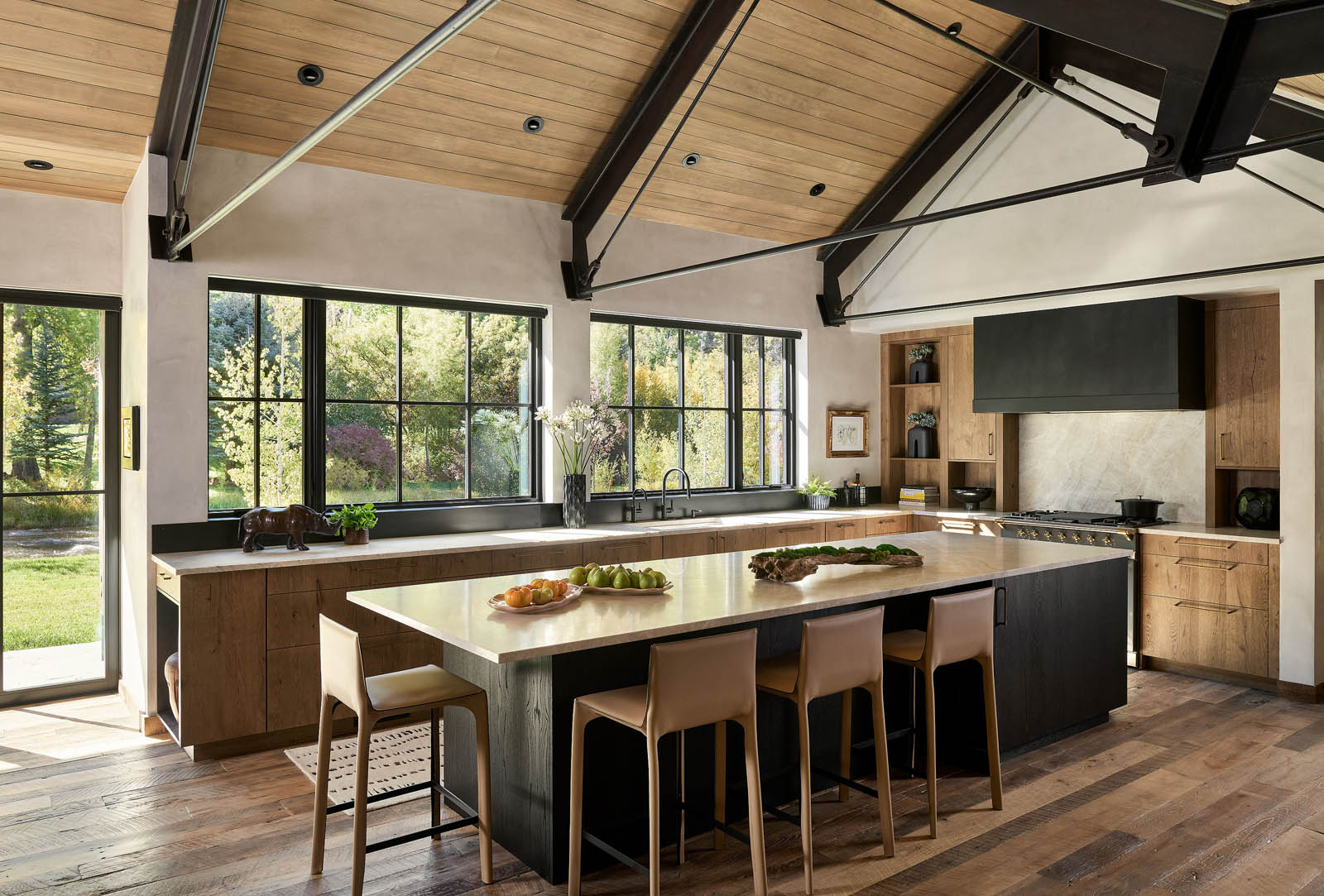
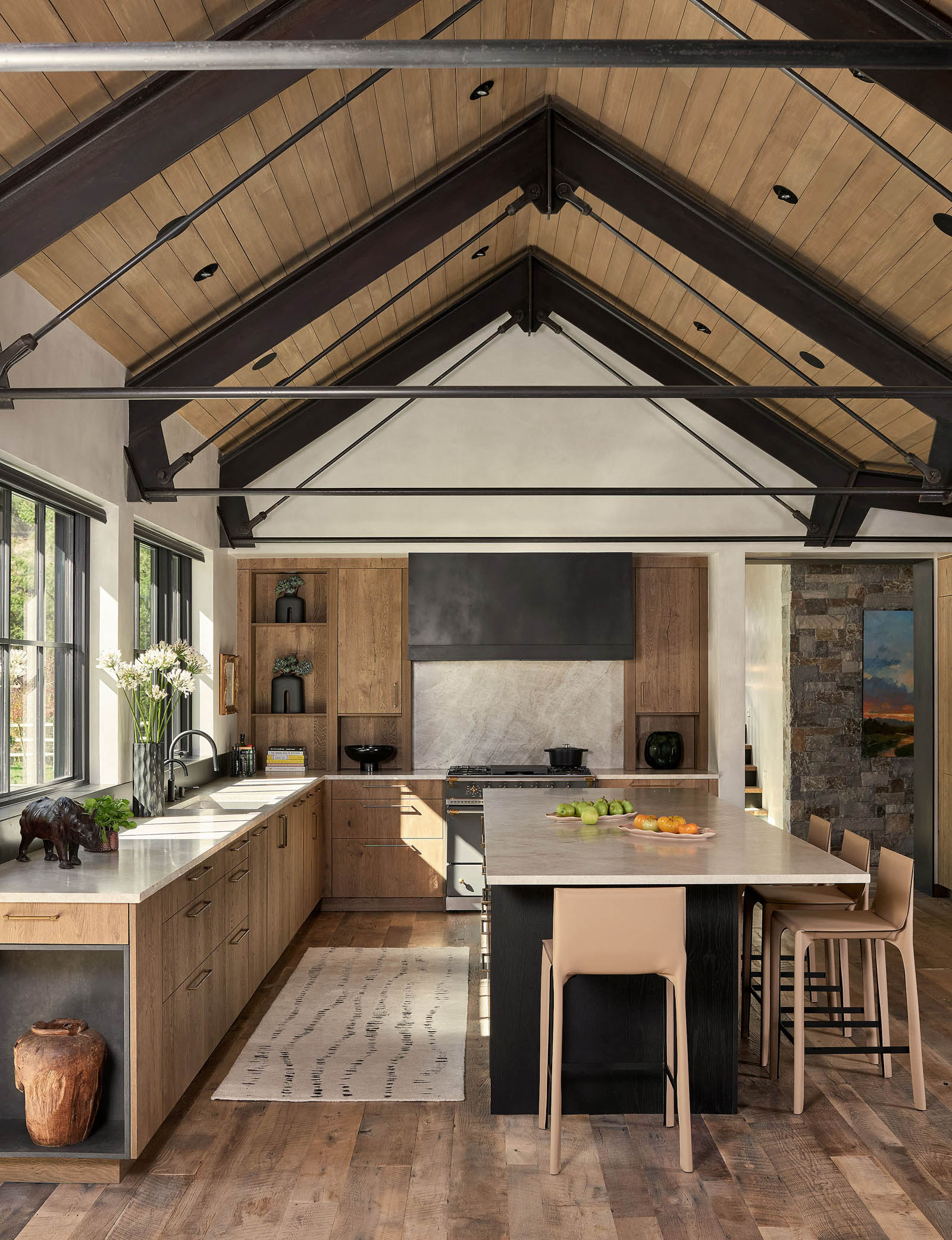
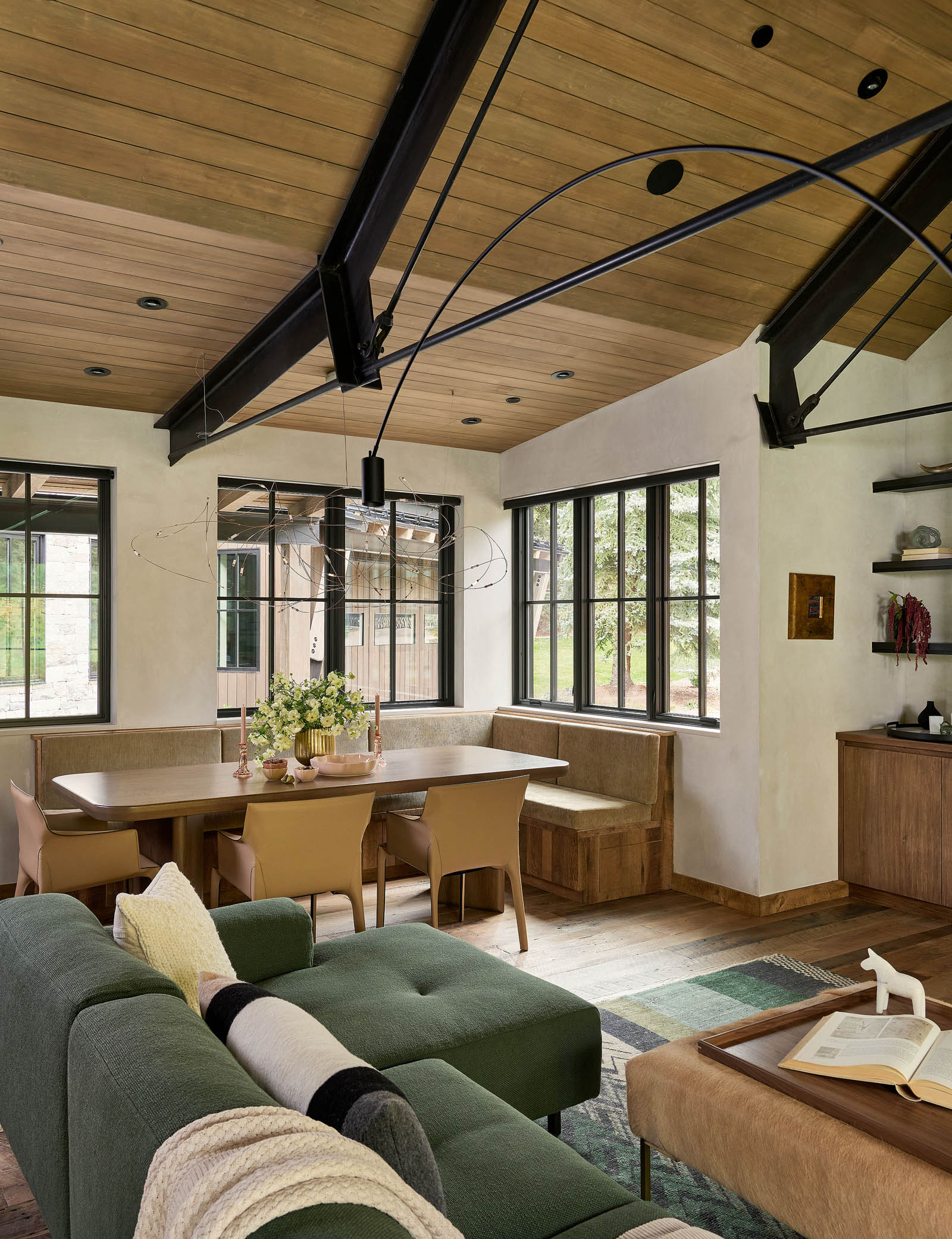
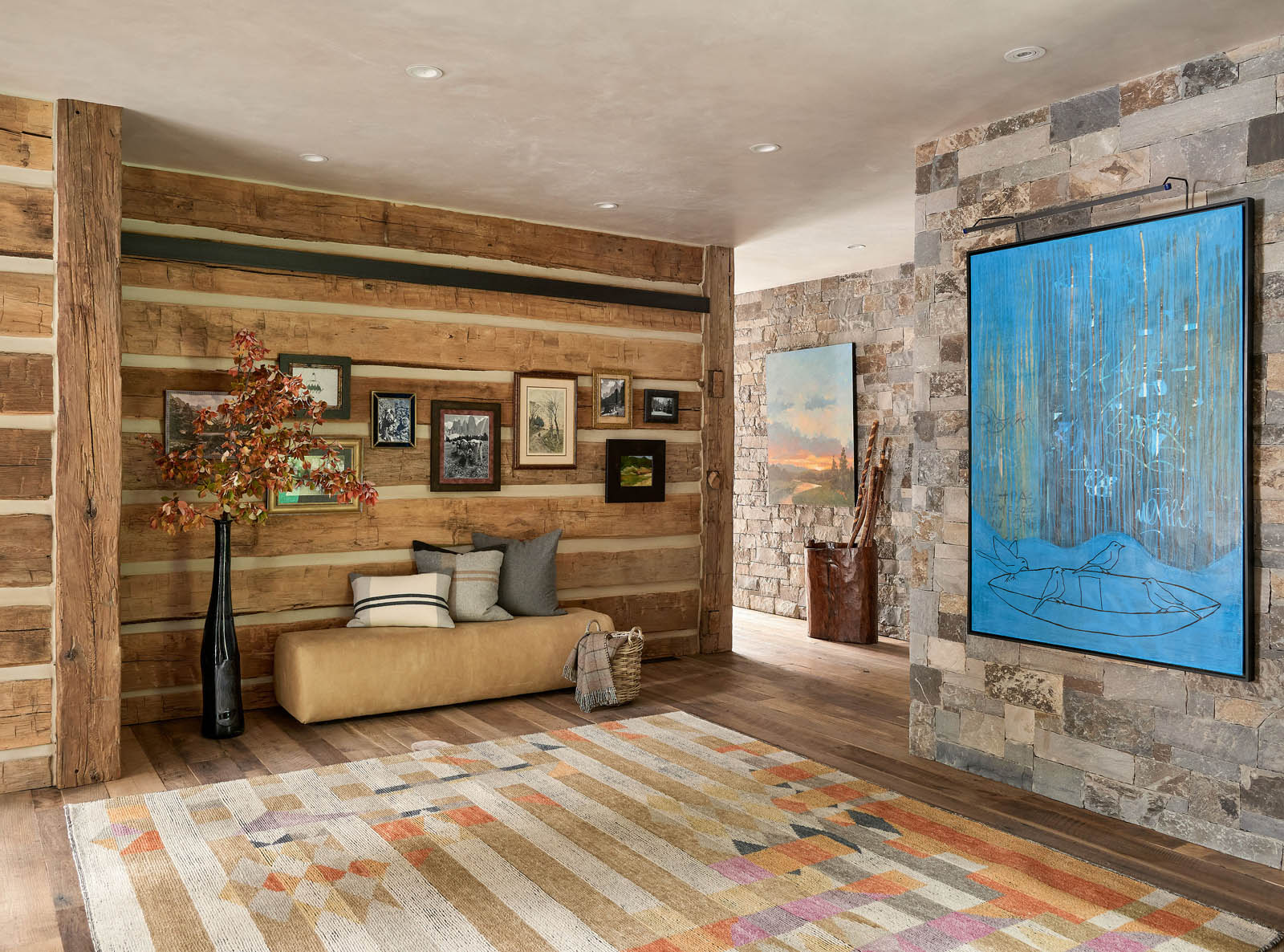
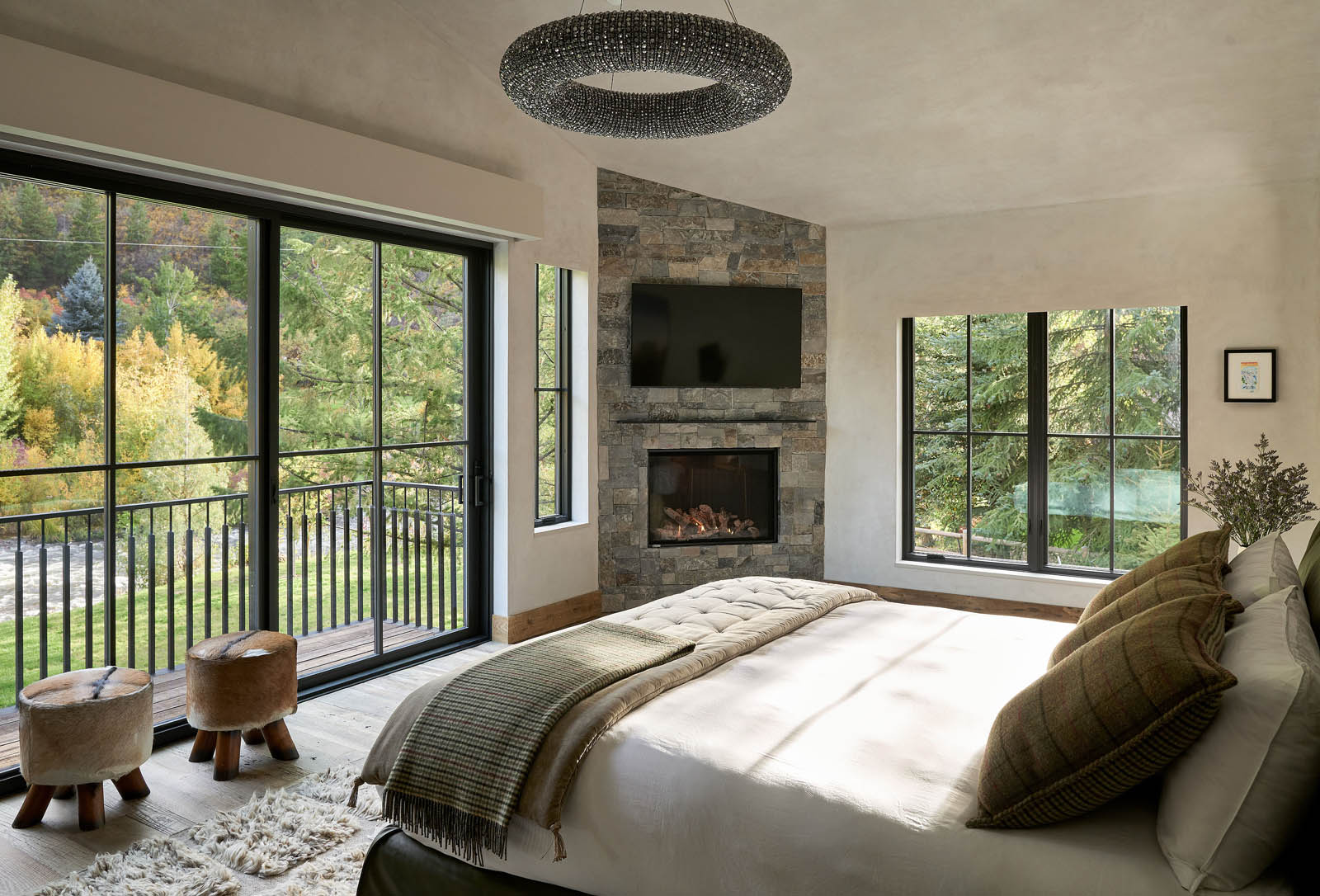
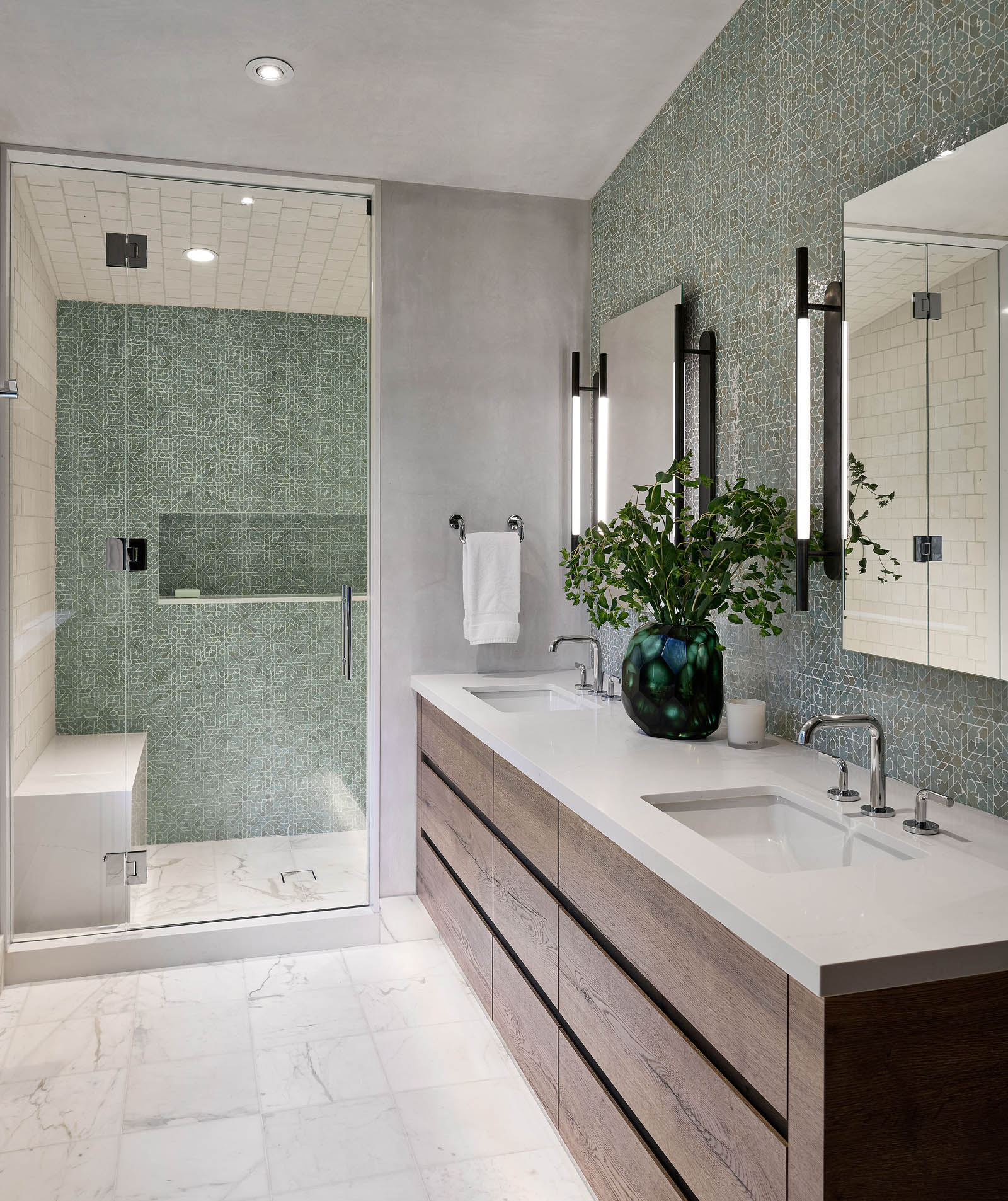
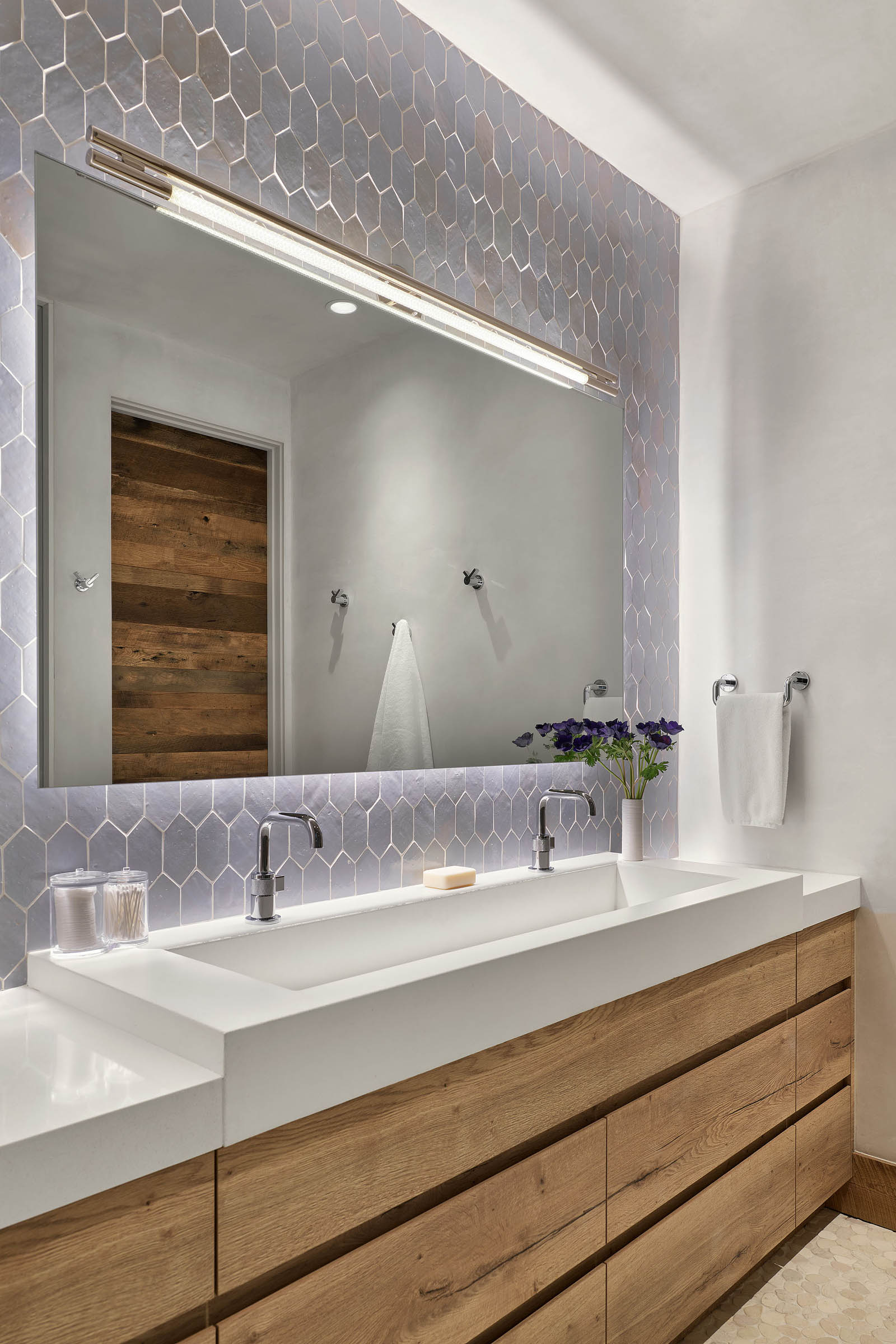
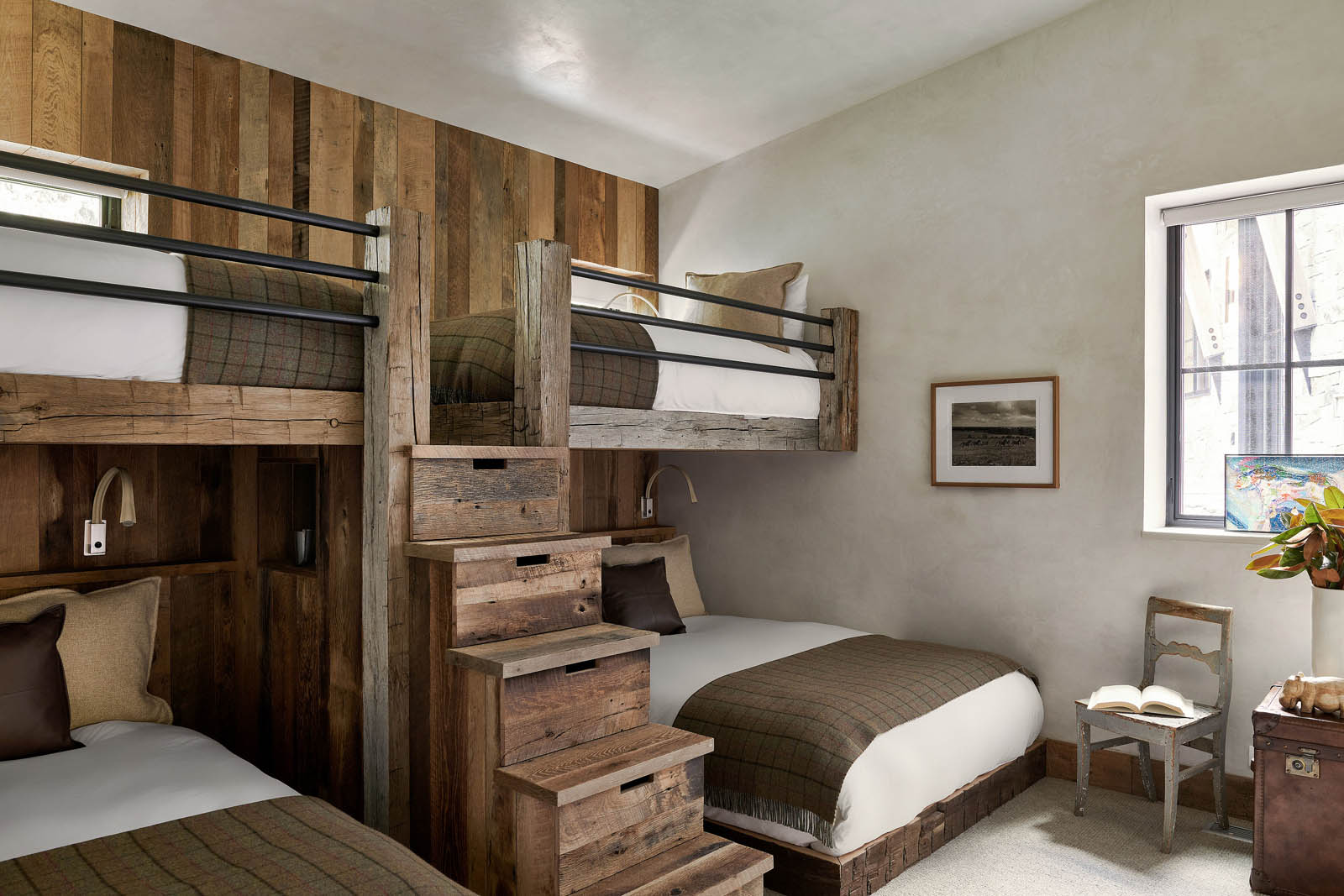
The homeowners wanted a blend of old and new to honor the traditional bones of the property and create a unique blend of rustic and modern style that feels timeless. In addition, they wanted a functional layout with a kitchen overlooking the river.
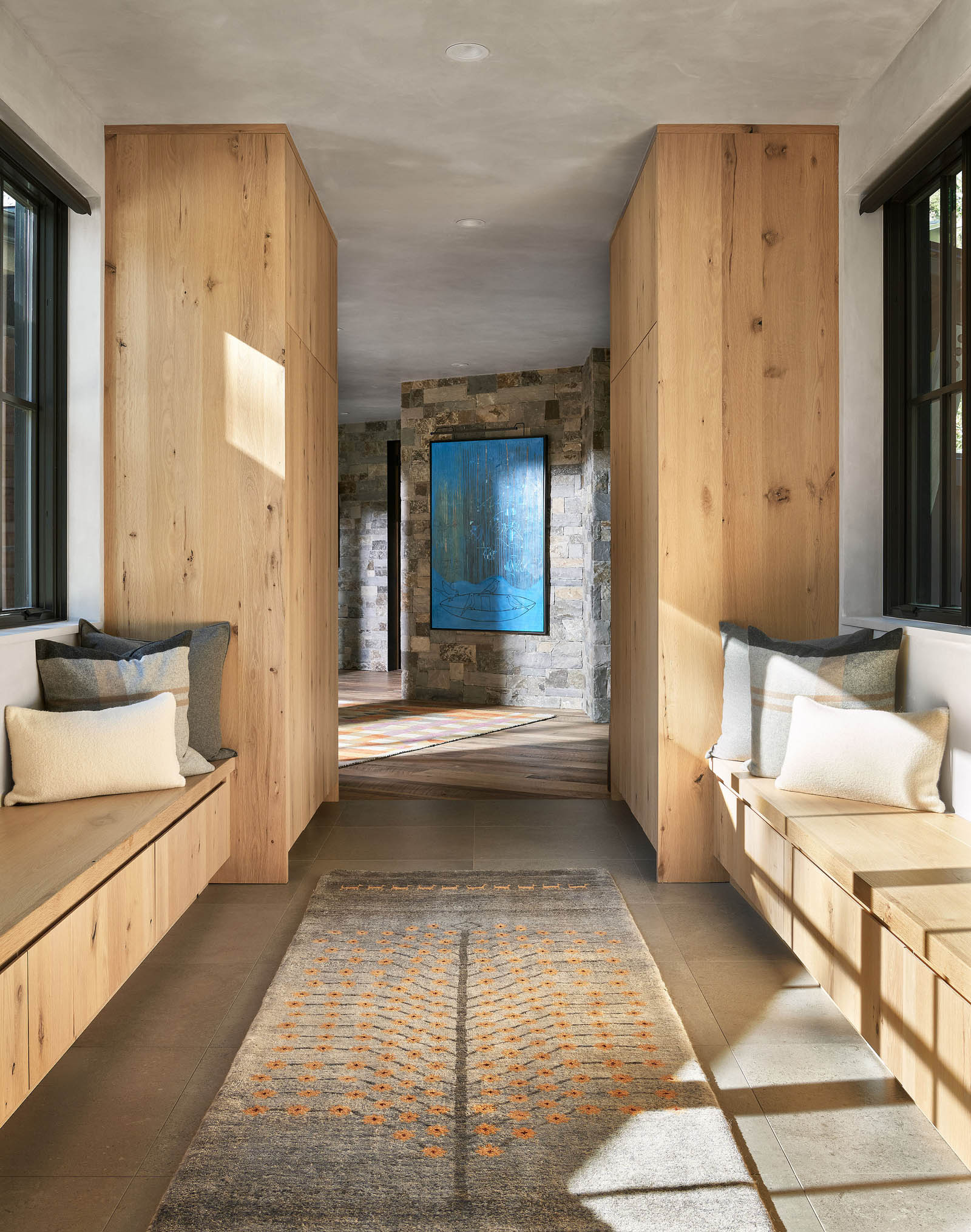
The work started with the idea of an addition for a front entry and a breezeway to connect the detached garage. This original 1960s cabin had been added onto multiple times and felt worn out, disjointed, and not to the clients’ taste. However, the location was incredible.
The work started with the idea of an addition for a front entry and a breezeway to connect the detached garage. This original 1960s cabin had been added onto multiple times and felt worn out, disjointed, and not to the clients’ taste. However, the location was incredible.
The Process
The client brought us in, along with KA Designs, Sopris Engineering, and Patrick Raliegh, for land planning. When clients engage us early, we can guide and advise from a practical standpoint, ensuring what the architect designs is actually constructable.
As we worked together, the client’s vision and therefore the scope changed. We planned for another addition, which would become the kitchen, dining, and living space.
Before construction could begin, we had to clear regulatory hurdles. Federal, state, and local regulations have enforced river setbacks as part of zone protections. The proposed kitchen addition sat only 40–50 feet from the river, well within the protected zone. It took almost a year and a half to obtain a variance, which was ultimately approved.
We broke ground in the early spring of 2023, beginning by demolishing the old entry, removing the top floor of the garage, and excavating multiple sites for the new addition foundations and the breezeway connection. Concrete crews followed to pour footers and stem walls.
During construction, we uncovered severe damage to the foundation, which required additional work with the county to approve a teardown of the existing cabin.
As we worked together, the client’s vision and therefore the scope changed. We planned for another addition, which would become the kitchen, dining, and living space.
Before construction could begin, we had to clear regulatory hurdles. Federal, state, and local regulations have enforced river setbacks as part of zone protections. The proposed kitchen addition sat only 40–50 feet from the river, well within the protected zone. It took almost a year and a half to obtain a variance, which was ultimately approved.
We broke ground in the early spring of 2023, beginning by demolishing the old entry, removing the top floor of the garage, and excavating multiple sites for the new addition foundations and the breezeway connection. Concrete crews followed to pour footers and stem walls.
During construction, we uncovered severe damage to the foundation, which required additional work with the county to approve a teardown of the existing cabin.
The Result
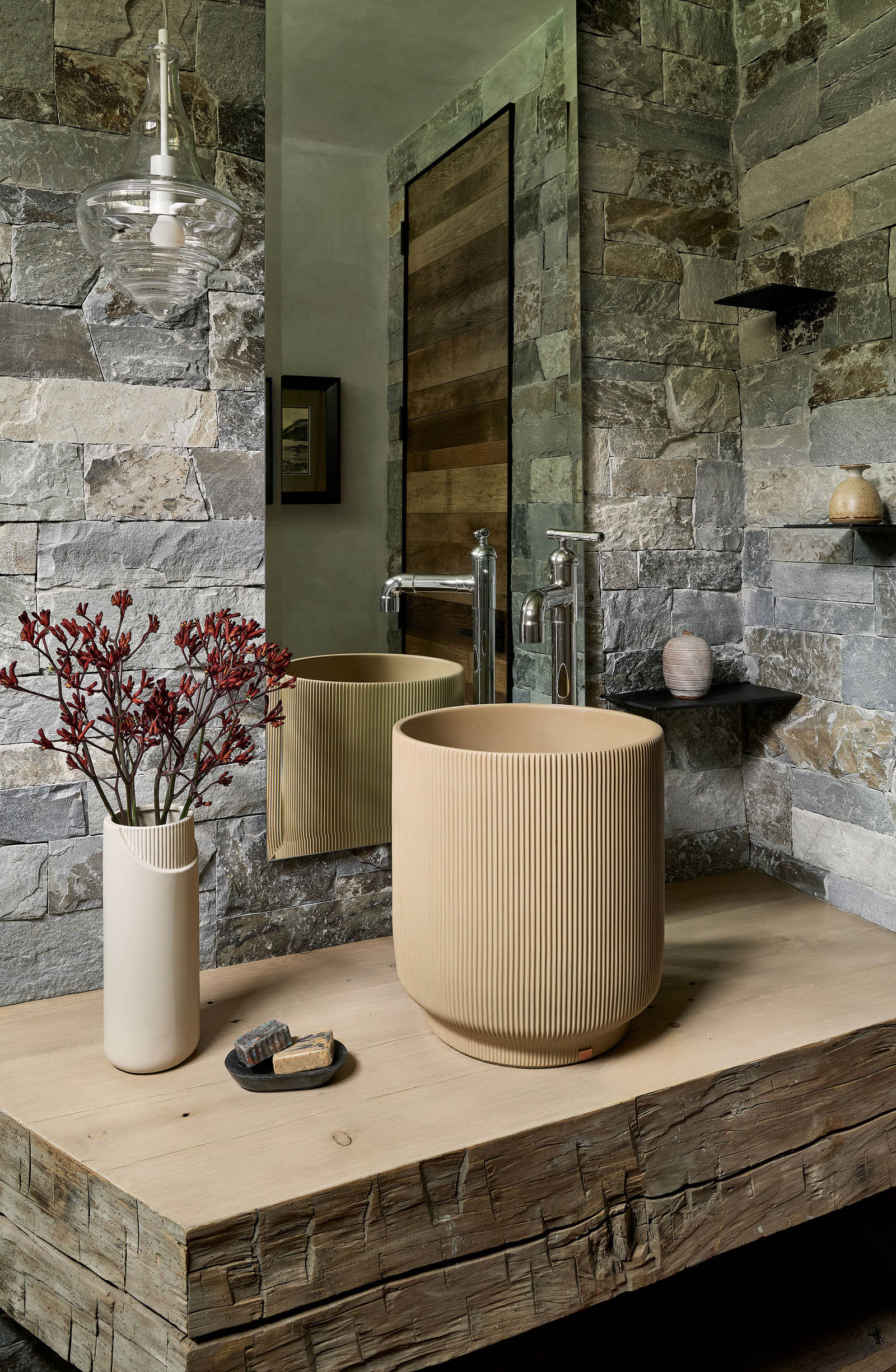
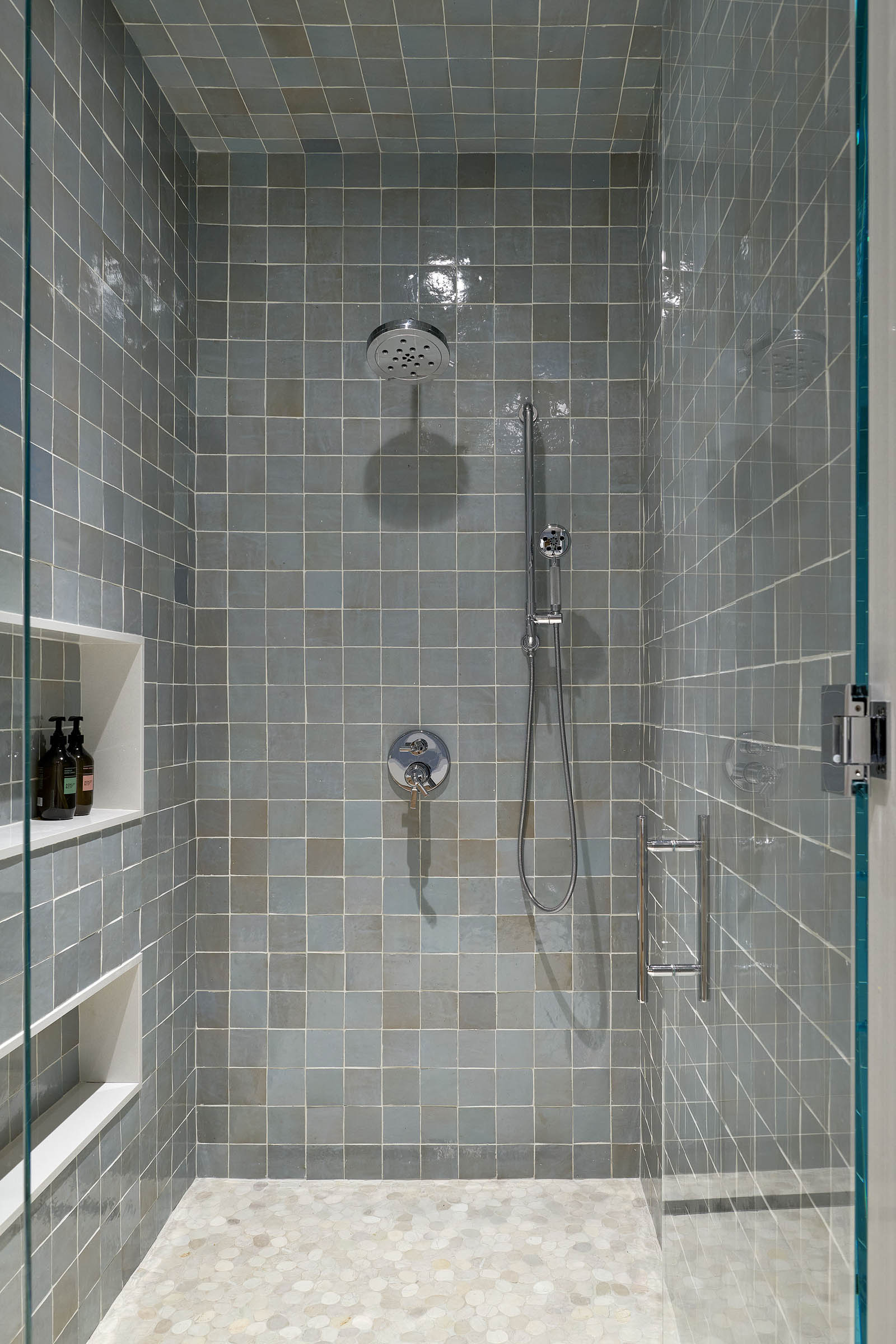
Though the only original structure remaining was the garage, this project resulted in a custom home that feels like it’s been there all along. With reclaimed materials, custom cabinetry, and high-quality materials, we brought the homeowner’s vision to life.